
What to Do Immediately After Your Car Breaks Down
Experiencing a sudden vehicle malfunction while driving is a stressful event that can catch even experienced drivers completely off guard. The sudden realization that your car is losing power requires quick thinking and a remarkably calm demeanor. Most people do not anticipate these mechanical failures during their daily commutes or cross-country road trips. However, knowing the appropriate steps to take immediately following a malfunction can make the difference between a minor inconvenience and a major safety hazard.
Your primary focus should always be on preserving the safety of everyone inside the vehicle and minimizing risks to other motorists. Navigating the chaotic aftermath of an unexpected mechanical failure means you must prioritize practical safety measures over assessing actual vehicle damage. According to WifiTalents, mechanical failures and breakdowns are the responsible cause for roughly 42% of all vehicle retrievals in the United States. Therefore, understanding the correct procedures for securing a towing service and safely waiting for help is absolutely vital for every driver.
Assess the Immediate Environment Carefully
Once you manage your initial emotional reaction, you must quickly evaluate the specific environment where your vehicle is currently losing functionality. Determine whether you are traveling on a busy highway, a quiet residential street, or a dangerous blind curve that might complicate a future towing operation. The specific location of your malfunction will heavily dictate the level of urgency required for your next set of physical maneuvers. Knowing exactly what is happening in front of, behind, and beside your vehicle is the most critical piece of information you can gather.
If you are surrounded by heavy traffic moving at high speeds, signaling your intentions to other drivers becomes an absolute priority. Immediately turn on your hazard lights to communicate that your vehicle is experiencing an emergency and moving slower than traffic. This flashing visual cue alerts approaching motorists to give you extra space and prepare for sudden changes in your vehicle's trajectory. Maintaining clear communication with other drivers drastically reduces the likelihood of a secondary collision while you attempt to navigate the situation.
Move the Vehicle to Safety
After activating your hazard lights and assessing traffic patterns, you must focus entirely on guiding your struggling vehicle toward the safest available spot. Your objective is to remove the car from active lanes and position it as far away from moving vehicles as momentum allows. Aim for the right shoulder of the road, a nearby parking lot, or a wide grassy median if the shoulder is completely inaccessible. Do not attempt to cross multiple lanes of traffic unless you are certain you have the necessary time and momentum to do so.
Coasting your vehicle to a complete stop requires careful manipulation of the steering wheel, especially if the power steering system has unexpectedly failed. You may need to exert significantly more physical force to turn the wheels, so grip the steering wheel tightly and prepare for resistance. Use your remaining momentum strategically, steering the vehicle into a stable position parallel to the roadway before successfully applying the emergency brake. Ensuring the car is completely stable and out of the primary flow of traffic is essential before seeking professional towing solutions.
Secure the Automobile and Passengers
Once your vehicle is completely stationary in a relatively safe location, you need to take additional immediate steps to secure the surrounding perimeter. If you were able to reach the shoulder, engage the parking brake firmly to prevent the heavy vehicle from rolling away unexpectedly. Turn the steering wheel sharply away from the road if you are parked on a hill, adding extra mechanical security against gravity. These simple preventative measures guarantee that your disabled car remains exactly where you parked it while you figure out your next logistical steps.
Next, you must carefully decide whether it is fundamentally safer to remain inside the enclosed cabin or to exit the vehicle completely. If you are positioned on a narrow highway shoulder with heavy commuter cars flying past, remaining securely buckled inside your car is safest. Exiting the vehicle on the traffic side exposes you to a massive, unnecessary risk of being severely struck by distracted or speeding drivers. However, if you are safely pulled into a quiet parking lot, exiting the vehicle to stretch and assess the exterior might be acceptable.
If you do confidently determine that it is safe to exit, you should always utilize the doors facing directly away from the roadway. Retrieve your emergency roadside kit from the vehicle's trunk, ensuring you have immediate access to reflective warning triangles or brightly colored road flares. Place these high-visibility markers approximately fifty to one hundred feet behind your disabled vehicle to give approaching drivers ample warning. Setting up this distinct visual perimeter is especially important during nighttime breakdowns when visibility for towing trucks and other motorists is severely compromised.
Contact Professional Assistance Providers
With your vehicle securely positioned and highly visible to surrounding traffic, it is finally the appropriate time to reach out for professional mechanical assistance. Begin by calmly gathering all your necessary personal documentation, including your automotive insurance card, valid driver's license, and specific towing membership details. Providing highly accurate information to the designated dispatcher will dramatically expedite the overall process of getting a qualified service vehicle to your location. Be prepared to clearly describe your immediate surroundings, mentioning nearby highway mile markers, intersecting roads, or prominent landmarks that serve as navigational aids.
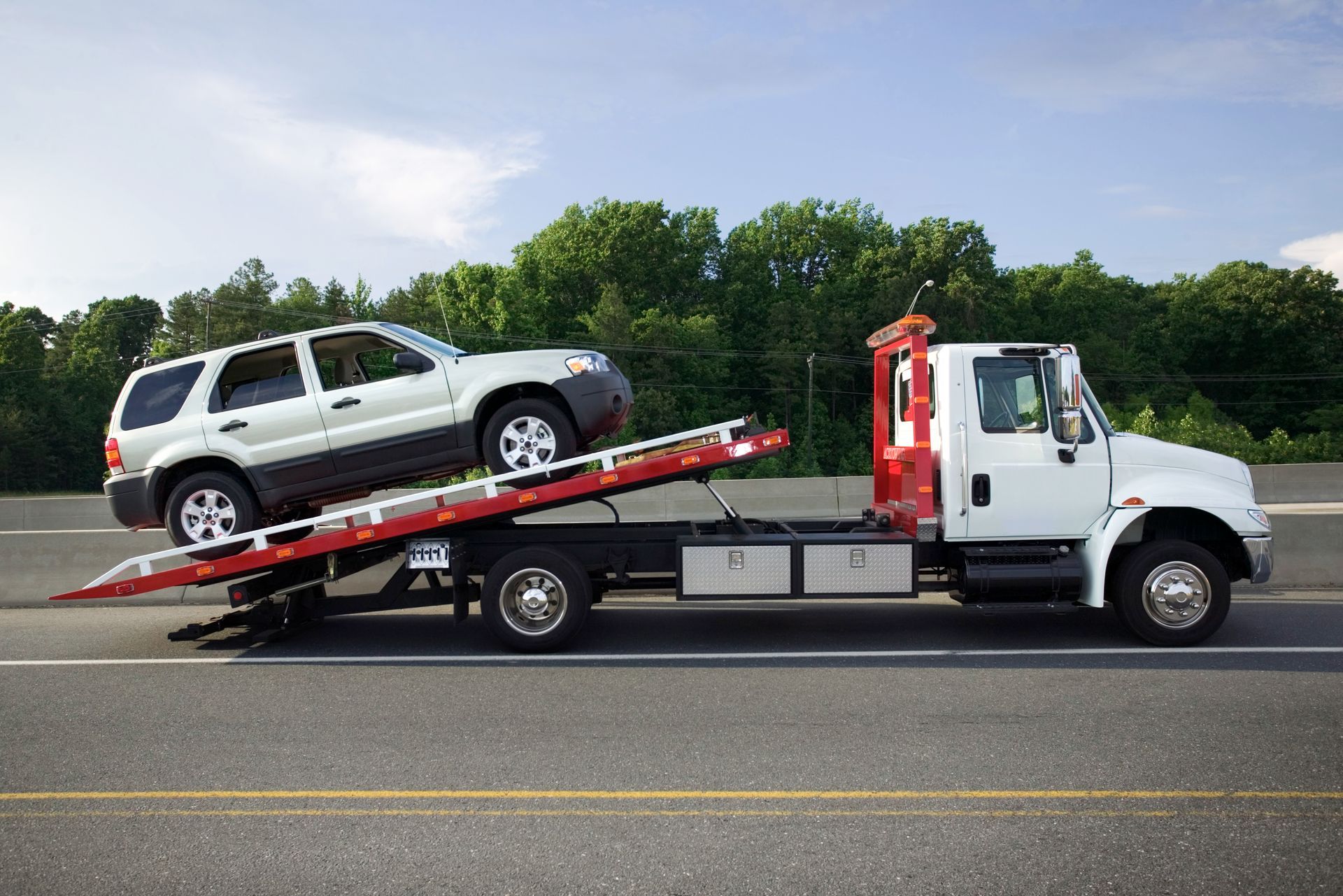
When you actively speak with the dispatcher, you must provide a perfectly clear and highly concise explanation of the severe symptoms your vehicle experienced. Mention whether you heard any unexpectedly loud banging noises, noticed thick white smoke billowing from the engine, or experienced a loss of steering control. This highly crucial diagnostic information directly helps the assistance company successfully determine exactly what type of heavy machinery they need to dispatch. For example, a simple flat tire might only require a standard service truck, whereas a completely seized engine will definitely necessitate a specialized towing procedure.
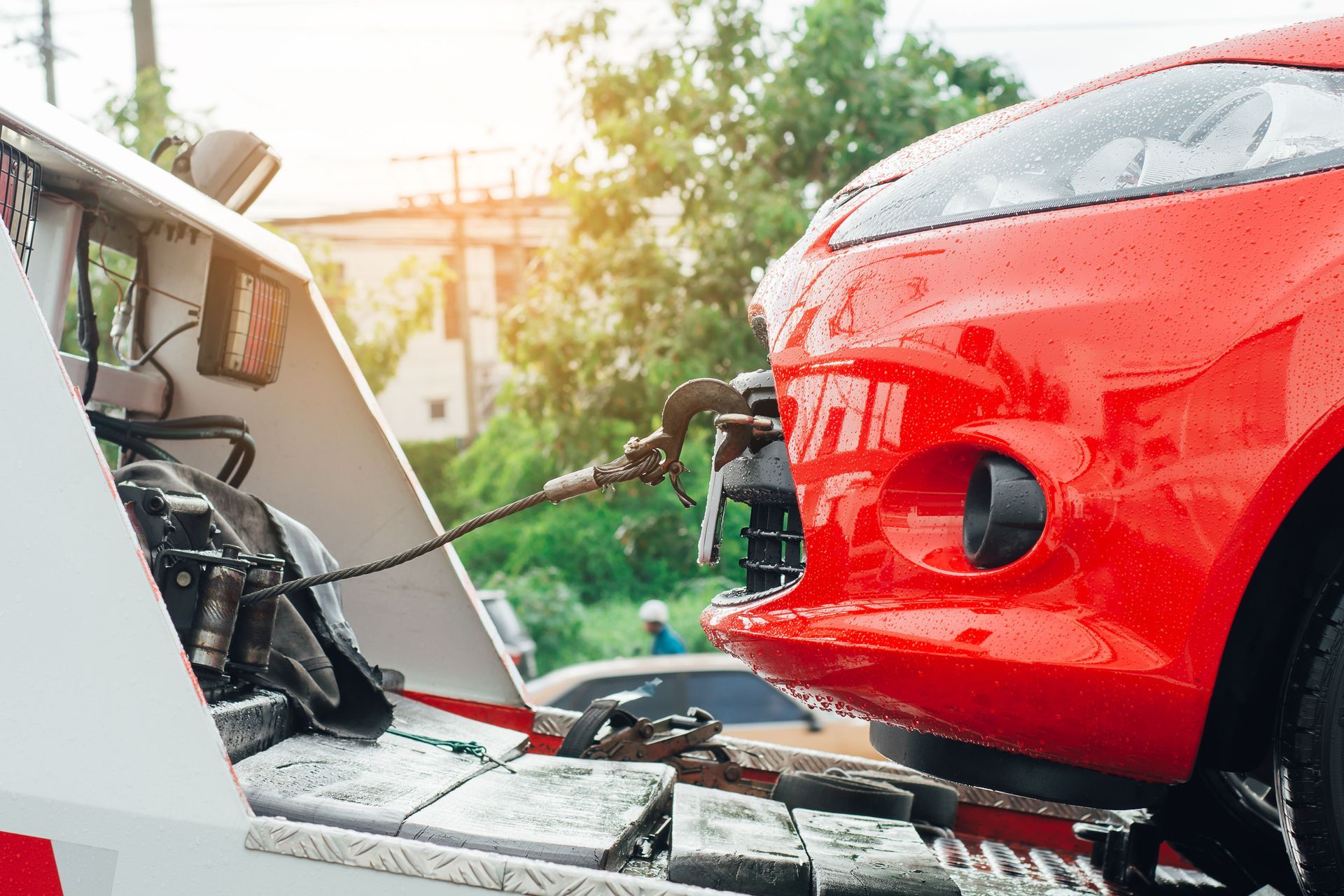
As you wait, absolutely refrain from recklessly accepting assistance from unsolicited motorists who happen to pull over and randomly offer you a ride. While some strangers genuinely harbor good intentions, it is inherently risky and deeply unsafe to rely on unauthorized individuals in a vulnerable environment. Instead, patiently wait for the clearly marked, official towing operators whom you have specifically requested through your verified insurance provider or assistance program. Intelligently verify the actual identity and official credentials of the specific driver upon their arrival before allowing them to load your vehicle.
Experiencing a sudden vehicular breakdown is undoubtedly an exasperating and highly inconvenient disruption to your schedule, but handling the situation methodically eliminates dangers. By remaining remarkably calm, safely maneuvering your car out of active traffic, and properly setting up a highly visible safety perimeter, you protect everyone. Remembering to carefully coordinate with trusted professional services ensures that your severely disabled automobile will be safely transported to a repair facility without logistical complications. The overarching goal is always to manage the immediate environmental hazards effectively so you can return to your normal routine with minimal lingering stress.
Being thoroughly prepared for the distinct possibility of a scary roadside emergency is a fundamental and crucial responsibility of operating a motor vehicle. Keeping your emergency roadside kit fully stocked and knowing precisely who to dial for help will undoubtedly provide immense peace of mind. Whenever you genuinely require a dependable
towing company, diligently following these firmly established safety protocols will effectively ensure your vehicle is recovered without incident.
At Expert Automotive Services LLC, we deeply understand the immense psychological stress of a sudden vehicular breakdown, which is exactly why we offer rapid roadside assistance. We are fully and passionately committed to successfully getting you and your vehicle safely off the dangerous highway and directly into our trusted repair facility. Please promptly contact us immediately if you ever unexpectedly find yourself stranded, and our highly dedicated team will swiftly dispatch professional help to your exact location.
Share On: